

We deliver within 5–9 business days
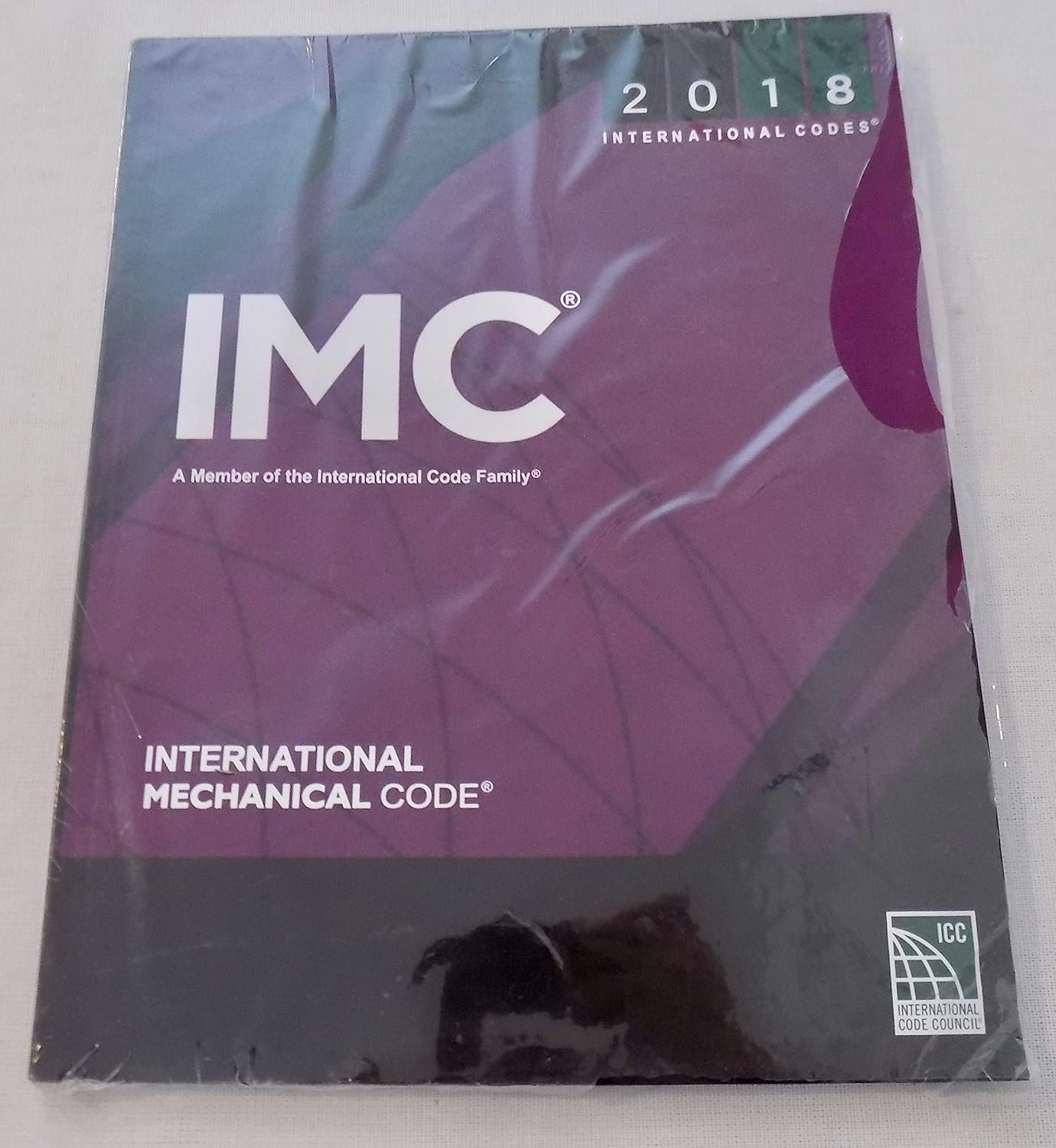
$106.49 Original price was: $106.49.$71.90Current price is: $71.90.
M.R.P.: $106.49
$71.9
Save: $34.59 (32%)
$106.49 Original price was: $106.49.$71.90Current price is: $71.90.
Ship within
ISBN-10

1609837436
ISBN-13

978-1609837433
Weight (pound)

1.15 pounds
Dimensions (inch)

8.5 x 0.5 x 11 inches

Premium Quality

Easy Returns

Certified Product

Secure Checkout

Money guarantee

Time Delivery
Premium Quality
Premium quality Easy Returns
Easy ReturnBookswagon upholds the quality by delivering untarnished books. Quality, services and satisfaction are everything for us!
Certified product
Certified product Secure Checkout
Secure checkoutSecurity at its finest! Login, browse, purchase and pay, every step is safe and secured.
Money guarantee
Money-back guarantee
It’s all about customers! For any kind of bad experience with the product, get your actual amount back after returning the product.
Time delivery
On-time deliveryAt your doorstep on time! Get this book delivered without any delay.
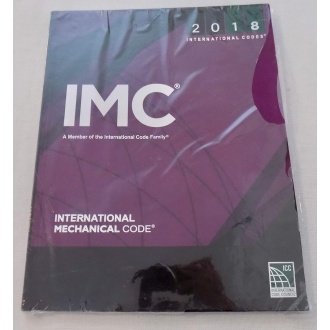



The International Mechanical Code® (IMC®) establishes minimum regulations for the design, installation, operation, maintenance, and inspection of mechanical systems serving residential, commercial, and industrial buildings. Developed by the International Code Council (ICC), the IMC uses a balanced approach that combines prescriptive requirements with performance-based provisions, ensuring both safety and flexibility in modern construction.
The IMC is built on broad-based, forward-looking principles that allow the use of new materials, methods, equipment, and system designs as they are developed and approved. This adaptability makes the code highly responsive to advances in mechanical engineering, indoor air quality, energy efficiency, and building technology, while maintaining consistent safety standards across jurisdictions.
Recent updates to the IMC reflect evolving industry practices and emerging mechanical system technologies. One significant addition is the expanded coverage of pollution control units, which are increasingly used in commercial and industrial environments to capture grease, smoke, odors, and airborne contaminants. By formally addressing these systems, the code improves clarity for designers and inspectors and supports safer air-handling practices.
The IMC also introduces a new exception for Type I kitchen hoods that are listed for reduced clearances to combustible materials. Previously, a standard minimum clearance of 18 inches was required. The new exception recognizes tested and listed hood assemblies that safely allow smaller clearances, providing greater design flexibility while maintaining fire protection standards in commercial kitchens.
Another important update addresses phenolic duct systems, a newer type of non-metallic ductwork increasingly used for its corrosion resistance, lightweight construction, and thermal performance. The IMC now includes specific provisions for phenolic ducts, ensuring proper installation, fire safety, and performance criteria while supporting innovation in duct materials.
The code has also expanded coverage for high-volume large-diameter (HVLD) fans, commonly referred to as high-volume, low-speed (HVLS) fans. These fans are widely used in warehouses, gyms, manufacturing facilities, and large commercial spaces to improve air circulation and thermal comfort while reducing energy consumption. New provisions address their design and installation to ensure safe operation and compatibility with other mechanical systems.
To improve constructability and reduce unnecessary labor without compromising performance, the IMC relaxes certain requirements for sealing duct joints and seams. Specifically, Snap-lock and button-lock duct joints located within the thermal envelope of a building are now subject to reduced sealing requirements. This change reflects real-world performance data and supports efficient installation practices while maintaining energy efficiency.
Throughout the code, emphasis is placed on system accessibility, inspection, and long-term maintenance, ensuring that mechanical systems remain safe and functional over their service life. The IMC coordinates closely with other ICC codes, promoting consistency across mechanical, building, fire, plumbing, and energy regulations.
Overall, the International Mechanical Code® remains an essential resource for mechanical engineers, HVAC designers, contractors, inspectors, architects, and code officials. By integrating safety, flexibility, and innovation, the IMC continues to support efficient, compliant, and future-ready mechanical systems in today’s built environment.
Title:
ISBN-13:
Publisher:
Binding
No of Pages:
Weight:
Language:
ISBN-10:
Publisher Date:
Height:
Spine Width:
Width:
 2018 International Mechanical Code (International Code Council Series) 1st Edition
| 5 star | 0% | |
| 4 star | 0% | |
| 3 star | 0% | |
| 2 star | 0% | |
| 1 star | 0% |
Sorry, no reviews match your current selections




































Reviews
There are no reviews yet