

We deliver within 5–9 business days


$35.84 Original price was: $35.84.$31.20Current price is: $31.20.
M.R.P.: $35.84
$31.2
Save: $4.64 (13%)
$35.84 Original price was: $35.84.$31.20Current price is: $31.20.
Ship within
ISBN-10

111948474X
ISBN-13
978-1119484745
Weight (pound)
8.4 ounces
Dimensions (inch)

5.4 x 0.7 x 8.4 inches

Premium Quality

Easy Returns

Certified Product

Secure Checkout

Money guarantee

Time Delivery
Premium Quality
Premium quality Easy Returns
Easy ReturnBookswagon upholds the quality by delivering untarnished books. Quality, services and satisfaction are everything for us!
Certified product
Certified product Secure Checkout
Secure checkoutSecurity at its finest! Login, browse, purchase and pay, every step is safe and secured.
Money guarantee
Money-back guarantee
It’s all about customers! For any kind of bad experience with the product, get your actual amount back after returning the product.
Time delivery
On-time deliveryAt your doorstep on time! Get this book delivered without any delay.
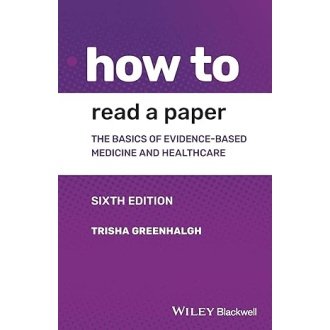
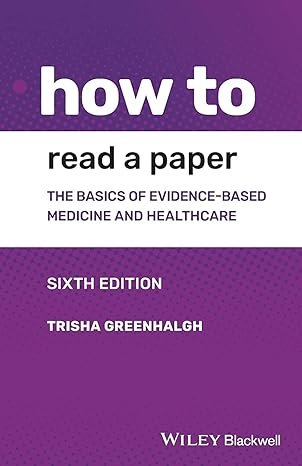
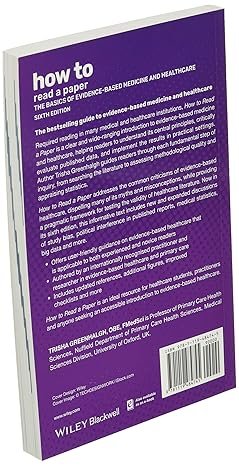
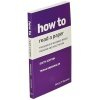
How to Read a Paper (6th Edition) by Trisha Greenhalgh is an indispensable guide for anyone engaged in healthcare, medical research, or education, providing a clear roadmap to understanding, evaluating, and applying scientific literature. Recognized worldwide as a leading authority in evidence-based medicine, Greenhalgh offers a comprehensive and accessible approach that demystifies the often complex process of critically appraising research papers.
In this sixth edition, the book has been fully updated to reflect contemporary challenges in medical research. It addresses not only traditional issues in study design and statistics but also emerging trends, such as big data analysis, political interference in research, reproducibility concerns, and the growing complexity of healthcare evidence. Through practical guidance and step-by-step instructions, readers learn to identify methodological strengths and weaknesses, assess bias, and determine whether research findings are robust and applicable to real-world practice.
The book is structured around a practical, hands-on methodology, guiding readers from the initial stages of searching and selecting relevant studies to the final application of research findings in clinical settings. Greenhalgh emphasizes critical thinking, enabling readers to navigate complex research designs, evaluate statistical analyses, and understand the implications of results for patient care and policy decisions. Each chapter is supplemented with checklists, examples, and illustrative case studies, providing tools that make evidence appraisal not only understandable but actionable.
One of the key strengths of How to Read a Paper is its ability to bridge theory and practice. It empowers students, clinicians, researchers, and educators to move beyond passive reading to active engagement with scientific literature. By teaching readers to ask the right questions and interpret evidence thoughtfully, the book promotes evidence-based decision-making and fosters confidence in applying research to everyday clinical challenges.
This edition also includes expanded discussions on topics highly relevant to modern healthcare, such as the influence of politics on research, open science, digital data sources, and the ethical considerations surrounding new technologies. The practical checklists and tools provided allow readers to critically appraise papers efficiently while maintaining rigor and accuracy.
Whether you are a medical student, practicing clinician, nurse, researcher, or educator, How to Read a Paper equips you with the skills necessary to critically interpret scientific studies, make informed decisions, and implement evidence in clinical practice. Its approachable style, structured guidance, and updated content make it a trusted companion for anyone striving to understand and apply the principles of evidence-based medicine.
In short, the sixth edition of How to Read a Paper remains a definitive, practical, and accessible resource, ensuring that readers can confidently navigate the growing and evolving body of medical research. It is essential reading for anyone seeking to develop a deep understanding of clinical evidence and improve patient care through informed decision-making.
Title:
ISBN-13:
Publisher:
Binding
No of Pages:
Weight:
Language:
ISBN-10:
Publisher Date:
Height:
Spine Width:
Width:
 How to read a paper
| 5 star | 0% | |
| 4 star | 0% | |
| 3 star | 0% | |
| 2 star | 0% | |
| 1 star | 0% |
Sorry, no reviews match your current selections



















Reviews
There are no reviews yet