






































Be the first to review “Street Data: A Next-Generation Model for Equity, Pedagogy, and School Transformation” Cancel reply
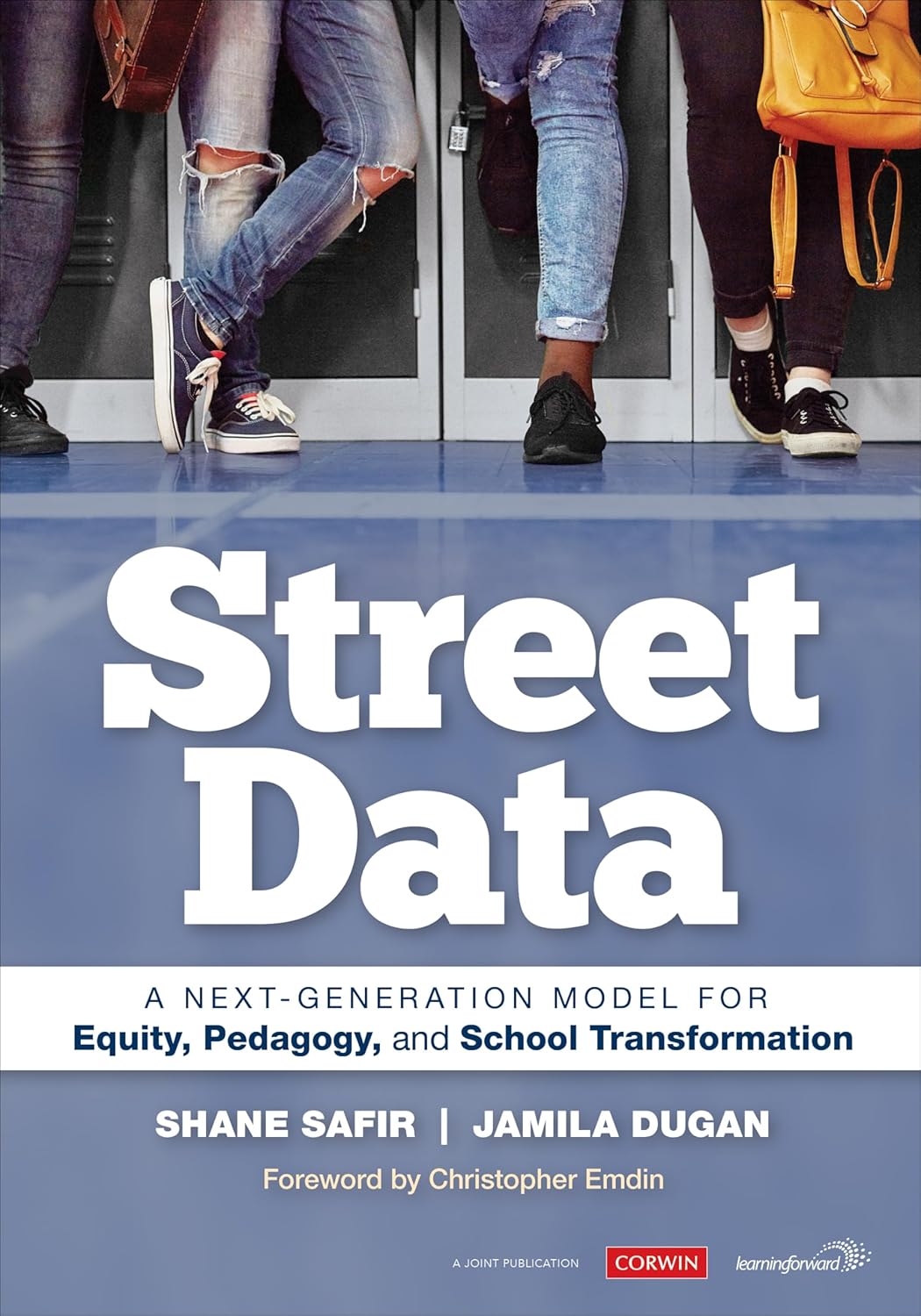
Street Data: A Next-Generation Model for Equity, Pedagogy, and School Transformation by Shane Safir and Jamila Dugan is a powerful call to radically rethink how educators define success, measure learning, and pursue equity in schools. Moving away from an overreliance on standardized testing and traditional “big data,” the authors introduce a humanizing approach to data that centers students’ identities, lived experiences, and intellectual potential.
At its core, Street Data argues that what is most meaningful in education is often not easily measurable. Test scores and numerical indicators may reveal surface-level outcomes, but they fail to capture students’ brilliance, cultural wealth, relationships, and sense of belonging. Safir and Dugan propose “street data” as a complementary form of evidence—qualitative, experiential, and rooted in close listening—that helps educators understand the deeper realities shaping students’ learning experiences.
The book is structured around three essential questions: What is street data? How do educators gather it? And how can it be used alongside other forms of data to guide equitable school transformation? Through real-world examples, reflective exercises, and practical tools, the authors provide a clear framework for applying street data in classrooms, schools, and districts.
Rather than focusing on deficits or “fixing” students, Street Data promotes an asset-based approach. Educators are encouraged to look for what is right in students and communities—strengths, creativity, resilience, and knowledge—rather than what is lacking. This shift helps dismantle harmful narratives and creates learning environments where students feel seen, valued, and empowered.
The book also explores how street data can be used to diagnose root causes of inequity, redesign instruction, and transform adult culture within schools. Safir and Dugan emphasize that equity work is not just about changing student outcomes, but about challenging adult beliefs, biases, and systems of power. By interrogating assumptions about knowledge, measurement, and success, educators can take a meaningful antiracist stance and create more just learning environments.
Written for teachers, school leaders, instructional coaches, and policymakers, Street Data is both visionary and practical. It offers tools that can be applied immediately while also inviting deep reflection and long-term transformation. The authors’ tone is hopeful yet urgent, reminding readers that now is the time to reimagine education in ways that are liberatory, healing, and deeply human.
Essential reading for anyone committed to educational equity and systemic change, Street Data provides a roadmap for building schools that truly serve and honor every student.



Reviews
There are no reviews yet